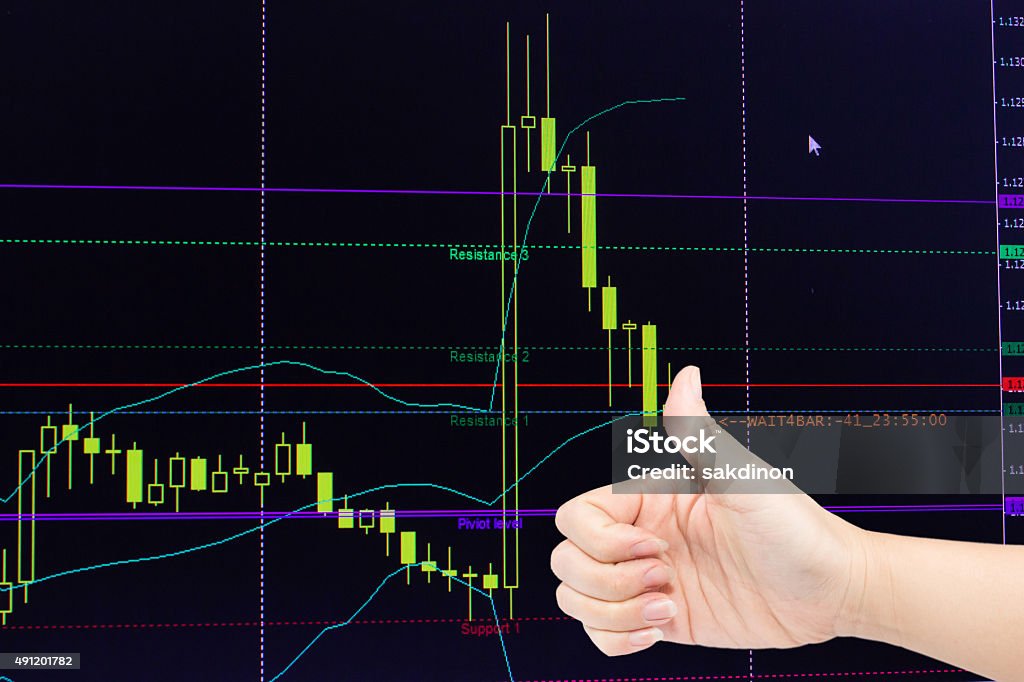
Understand how the forex market moves.
The forex market is one of the largest and most active financial markets in the world, with trillions of dollars traded daily. Forex market analysis is the process traders use to study currency price movements, identify trends, and make informed trading decisions. Without proper analysis, trading becomes gambling rather than a skill-based activity.
Successful traders understand that the market moves based on a combination of economic events, market psychology, liquidity, and institutional activity. Learning how to analyze the forex market properly can help traders improve consistency, reduce emotional decisions, and identify high-probability trading opportunities.
What Is Forex Market Analysis?
Forex market analysis simply means studying the market to predict possible price movements. Traders analyze charts, news events, and market structure to determine whether a currency pair is likely to rise or fall.
There are three major types of forex market analysis:
Technical Analysis
Fundamental Analysis
Sentiment Analysis
Professional traders often combine all three to get a clearer understanding of market direction.
TECHNICAL ANALYSIS
Technical analysis focuses on price charts, candlestick patterns, and market structure. Traders study historical price movements to identify trends and possible future reactions.
Popular technical analysis concepts include:
support and resistance,
trendlines,
liquidity zones,
moving averages,
chart patterns,
and price action.
Technical traders believe that price action reflects market psychology and that patterns tend to repeat over time.
One of the biggest advantages of technical analysis is that it helps traders identify:
entry points,
stop-loss placement,
take-profit levels,
and market trends.
However, technical analysis works best when combined with proper discipline and risk managements
FUNDAMENTAL ANALYSIS
Fundamental analysis focuses on economic news and global financial events that affect currencies. Major factors include:
interest rates,
inflation,
employment data,
GDP reports,
and central bank decisions.
For example, if the US economy becomes stronger and the Federal Reserve increases interest rates, the US dollar may gain strength against other currencies.
News releases often create high volatility in the forex market, which is why traders pay close attention to economic calendars and major announcements.
Understanding fundamentals helps traders avoid entering trades blindly during dangerous market conditions.
SENTIMENT ANALYSIS
Market sentiment refers to the overall mood or direction of traders and investors in the market. Sometimes the market is driven more by fear, greed, or uncertainty than by technical setups alone.
Sentiment analysis helps traders understand:
whether buyers or sellers are dominating,
how traders react to news,
and the emotional state of the market.
This is important because markets are heavily influenced by human psychology.
The Importance of Risk Management
Even the best market analysis cannot guarantee 100% winning trades. This is why risk management remains one of the most important parts of trading success.
Good traders:
use stop losses,
manage lot sizes carefully,
avoid emotional trading,
and protect their capital.
A trader can have an excellent strategy but still fail because of poor risk management.
Common Mistakes Beginners Make
Many beginner traders struggle because they:
overtrade,
rely only on indicators,
ignore market structure,
chase signals,
or risk too much per trade.
Some traders also focus too much on finding the “perfect strategy” instead of mastering psychology and consistency.
Forex trading is not about winning every trade. It is about managing risk properly and staying consistent over time.
HOW TRADERS CAN IMPROVE IN THEIR ANALYSIS
Improving forex analysis requires patience and continuous learning. Traders can improve by:
practicing on demo accounts,
studying market structure daily,
journaling trades,
reviewing mistakes,
and focusing on discipline instead of emotions.
Consistency and patience are more important than rushing for quick profits.
Forex market analysis is the foundation of professional trading. Understanding technical analysis, fundamentals, and market sentiment helps traders make smarter decisions and avoid emotional mistakes.
The forex market rewards discipline, preparation, and patience more than luck. Traders who focus on learning, risk management, and emotional control have a much better chance of surviving and growing consistently in the long run.
